AFPAPARTS20 AFP135141A20 Fuel Pump Aseembly 3.0L
fits model: Q5. make: Audi. year: 2014–2016.
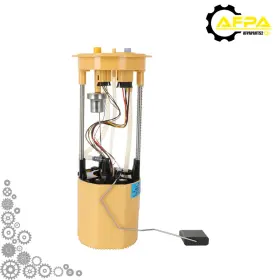
( Brand: Afpaparts20 ), ( Type: Fuel Pump ), ( Fuel Type: Gasoline ), ( Drive Type: Electrical ), ( Placement On Vehicle: Fuel Tank ), ( Items Included: Mounting Hardware ), ( Voltage: 12 V ), ( Manufacturer Warranty: 1 Year ), ( Manufacturer Part Number: AFP135141A20 ), ( Performance Part: No ), ( Oe/oem Part Number: Fg2091 )
Review AFPAPARTS20 Fit Audi 3.0l New Fuel Pump Aseembly fits Q5 2014–2016
The AFPAParts20 fuel pump assembly, specifically designed for Audi Q5 models with a 3.0L engine manufactured between the years 2014, 2015, and 2016, is an essential component of your vehicle's fuel delivery system. This premium quality assembly, with the part number AFP135141A20, is meticulously engineered to ensure optimal fuel pressure and delivery to your engine.
The AFPAParts20 fuel pump assembly is a complete replacement unit. It includes the fuel pump, an electric motor that draws fuel from the tank and delivers it to the engine, as well as all necessary mounting hardware and connections. This ensures a hassle-free installation process, saving you time and effort compared to buying individual components.
This assembly is crafted from robust materials to ensure durability and reliability. The fuel pump housing is made from high-strength thermoplastic, resilient against the harsh fuel conditions. The electric motor is built using advanced technologies to provide superior performance and efficiency, minimizing power consumption and extending the overall lifespan of your fuel delivery system.
The AFPAParts20 fuel pump assembly is designed to meet or exceed OEM specifications, ensuring a perfect fit and seamless integration with your Audi Q5's fuel system. It also undergoes rigorous testing to ensure optimal fuel pressure, flow rate, and system compatibility. This guarantees a smooth and efficient driving experience, eliminating the risk of fuel delivery issues that could potentially impact your vehicle's performance or safety.
In summary, the AFPAParts20 fuel pump assembly, with the part number AFP135141A20, is a high-quality, complete replacement unit for Audi Q5 models with a 3.0L engine from 2014 to 2016. It is meticulously engineered to provide optimal fuel pressure, flow rate, and system compatibility, ensuring a seamless integration and a smooth, efficient driving experience.
The AFPAParts20 fuel pump assembly and the AFP135141A20 fuel pump assembly are both options for replacing the fuel pump in certain Audi Q5 models with a 3.0L engine from the years 2014 to 2016. Let's examine the potential advantages and disadvantages of each to help you make an informed decision.
AFPAParts20 Fuel Pump Assembly: Pros:1. OEM (Original Equipment Manufacturer) part: This assembly is manufactured by Audi, ensuring a perfect fit and compatibility with your vehicle.
2. Long-lasting: Audi parts are known for their durability and reliability.
3. Warranty: Audi provides a warranty for their original parts, giving you peace of mind and protection against potential defects.
Cons:1. Cost: OEM parts are typically more expensive than aftermarket alternatives.
AFP135141A20 Fuel Pump Assembly: Pros:1. Aftermarket part: This assembly is produced by a third-party manufacturer, but it is specifically designed to fit and function similarly to the original Audi part.
2. Affordability: Aftermarket parts are generally less expensive than OEM parts.
Cons:1. Compatibility: While aftermarket parts are designed to fit and function similarly, there may be slight differences that could affect performance or longevity.
2. Warranty: Aftermarket parts usually come with limited or no warranty.
Ending Conclusion:Both options, the AFPAParts20 fuel pump assembly and the AFP135141A20 fuel pump assembly, have their respective advantages and disadvantages. If you prioritize a perfect fit, durability, and a warranty, the OEM AFPAParts20 assembly is the recommended choice. However, if you're looking for a more affordable option, the aftermarket AFP135141A20 assembly may be a suitable alternative. Ultimately, your decision will depend on your budget, desired level of performance, and peace of mind.
Details:
Let the engine warm up slightly, then check pressure both at idle speed and rated listed in your pump specifications. Often, its not the pump itself that fails to function, but power supplies it. You can take your pump apart with a screwdriver and rebuilt it yourself, following directions on the kit. 3.Hook the pressure gauge to fuel pump test fitting.
To check it, remove the filter from vehicle and drain excessive fuel. If no power is making it to the fuel pump, then check pump relay circuit. The pressure should match the specifications listed in repair manual, and increase as you rev engine. If you don't know the rated speed, just rev engine and see how pressure reacts.
Use a short piece of rubber hose on the filter inlet. Regularly maintain your vehicle: This includes things like changing the oil and air filter, as well making sure engine is tuned up. The test only takes a few minutes. 2.Get a fuel pressure gauge.
There are several things you can do to help prevent your fuel pump from going bad. Check to make sure that the power wire shows full voltage and grounding its grounded properly. If you notice any issues with engine performance, it is important to take your vehicle a mechanic as soon possible have diagnosed and repaired. If no fuses are blown, have a helper turn the key while you listen for fuel pump relay ing on.
Method 2 Performing a Fuel Pressure Test. There should be a separation joint or test port, where the pressure gauge attaches. Pull it out and inspect for signs of failure. If the filter gets clogged with sediment, you can have trouble accelerating and might suspect your fuel pump has got a problem.
New List Item. Use a fuel stabilizer: Adding stabilizer to your gas can help prevent it from going bad. If it looks good, check the rest of fuses related to fuel system for signs being blown and replace them, if necessary. Item Specifics: Type: Fuel Pump, Fuel: Gasoline, Drive: Electrical, Placement on Vehicle Tank, Items Included: Mounting Hardware, voltage : 12 V, Manufacturer Warranty: 1 Year, Brand: AFPAPARTS20, Part Number: AFP135141A20, Performance: No, OE/OEM: FG2091, Universal Fitment Vintage Car: No.
Test for source voltage , to determine whether or not the good charge that's leaving fuse is getting pump. If your fuel pump does needs replacing, a rebuilt one is often as good new one, and lot less expensive. 2.Check the voltage at pump itself. Use good-quality gasoline: Using low-quality gasoline can shorten the life of your fuel pump.
Just because you're getting juice from the circuit doesn't mean that its to pump itself, which makes it important check voltage there as well. This can water down the gasoline and cause corrosion. Perform a drop test using voltmeter. Fuel stabilizers keep the gasoline fresh and help prevent corrosion.
It should be guaranteed at least three months. Avoid extended idling: Extended idling can overheat the fuel pump and shorten its life. Inspect the screen for debris and replace filter if necessary by blowing through outlet side of into a white rag or towel. Avoid running your vehicle low on fuel: This can cause the fuel pump to overwork and wear out prematurely.
Method 1 Performing an Electrical Test. A bad fuel pump can lead to engine performance issues and even cause your vehicle break down. Keep a fire extinguisher nearby while working on or testing the fuel system. Blow through the filter inlet, paying attention to resistance, which should be minimal.
Try to avoid extended idling whenever possible. If the fuse blows again, a direct short is present and will need to be diagnosed. 4.Have a helper rev the engine while you check gauge. Proper precautions should be taken for safe testing and diagnosis.
1.Eliminate the filter as a possibility. Be sure to use a good quality gasoline that has the correct octane rating for your vehicle. 1.Check the fuel pump fuse. Keep your fuel tank full: Keeping full can help prevent condensation from forming inside.
If you re feeling adventurous, some manufacturers supply rebuild kits. Locate your fuel pump test point, which is usually near the injectors, and locate point at hooks up with filter injector rail.
specifications pumpunite:
- for models: Q5
- for makes: Audi
- for years: 2014-2016
- brand: Afpaparts20
- type: Fuel Pump
- fuel type: Gasoline
- drive type: Electrical
- placement on vehicle: Fuel Tank
- items included: Mounting Hardware
- voltage: 12 V
- manufacturer warranty: 1 Year
- manufacturer part number: AFP135141A20
- performance part: No
- oe/oem part number: Fg2091
seller pumpunite:
- city: Ontario, California
- rating: 98.9%
- # reviews: 2627
shipping pumpunite:
- cost: $0.00
- carrier: FedEx
- class: Economy
- transit: 3-8 Days
- type: Fixed
- service: FedEx Ground Economy
offer pumpunite:
- availability: In Stock
- started: September 16, 2025
- sold: 0
- quantity: 5
- options: Ship-to-home
- best offers: True
general pumpunite:
- Car Truck Parts Accessories > Air Fuel Delivery > Fuel Pumps Sending Units
- condition: New
payments pumpunite:
- credit card: Mastercard
- other
- wallet: Apple-pay
returns pumpunite:
- paid by: Seller
- policy: Returns Accepted
- time: 30 Days
Afpaparts20 AFP135141A20 Is Similar To:
- Afpaparts20 Afp052349a20 Fit For Ford Expedition 2003 2004 Electric Fuel Pump Module Assembly (65.9% similar) You can take your pump apart with a screwdriver and rebuilt it yourself, following directions on the kit. 2.CHECK the voltage at pump itself. Let the engine warm up slightly, then check pressure both at idle speed and rated listed in your pump specifications. If no fuses are blown, have a helper...(June 7th, 2024)
- Afpaparts20 Afp053111a20 For 2002-2003 Mercury Sable Ford Taurus 3.0l Fuel Pump Module Assembly (58.4% similar) Fuel stabilizers keep the gasoline fresh and help prevent corrosion. The test only takes a few minutes. If the filter gets clogged with sediment, you can have trouble accelerating and might suspect your fuel pump has got a problem. Locate your fuel pump test point, which is usually near the...(June 7th, 2024)
- Afpaparts20 Af114213p03 Fuel Pump Module Assembly Fits 2008-2010 Bmw 528i 550i E8687m (45.2% similar) Use good-quality gasoline: using low-quality gasoline can shorten the life of your fuel pump. 1.CHECK the fuel pump fuse. 1.ELIMINATE the filter as a possibility. Use a short piece of rubber hose on the filter inlet. Method 2 performing a fuel pressure test. Fuel stabilizers keep the...(December 9th, 2024)
- Afpaparts20 Af134753p20 New Fuel Pump Aseembly For Volvo 2016-2015 S80 Xc70 2015-2017 Xc60 2.0l (47.2% similar) 1.ELIMINATE the filter as a possibility. If the fuse blows again, a direct short is present and will need to be diagnosed. 4.HAVE a helper rev the engine while you check gauge. Item specifics: type: fuel pump, fuel: gasoline, drive: electrical, placement on vehicle tank, manufacturer warranty: 2...(December 31st, 2024)
- Afpaparts20 Af116912p03 Fuel Pump Module Assembly Fits 2012 2013-2015 Chevrolet Sonic 1.4l 1.8l E4056m (37.8% similar) If it looks good, check the rest of fuses related to fuel system for signs being blown and replace them, if necessary. There are several things you can do to help prevent your fuel pump from going bad. If no fuses are blown, have a helper turn the key while you listen for fuel pump relay ing on...(February 1st, 2025)
- Afpaparts20 Af133755p03 Fuel Pump Module Aseembly For Volkswagen Tiguan Audi Q3 2.0lp77074m (43.7% similar) Use a fuel stabilizer: adding stabilizer to your gas can help prevent it from going bad. Keep a fire extinguisher nearby while working on or testing the fuel system. Method 2 performing a fuel pressure test. If you notice any issues with engine performance, it is important to take your vehicle a...(February 10th, 2025)
- Afpaparts20 Afp133442a20 Fits Chevrolet Astro Gmc Safari 1992-1994 4.3l New Fuel Pump Assembly (63.3% similar) Use good-quality gasoline: using low-quality gasoline can shorten the life of your fuel pump. Method 1 performing an electrical test. Locate your fuel pump test point, which is usually near the injectors, and locate point at hooks up with filter injector rail. Avoid extended idling: extended...(February 10th, 2025)
- Afpaparts20 Af114395p03 Fuel Pump Module Assembly Fits 2011 2010 2009 2008 2007 2006 Honda Civic L4 1.8l (40.6% similar) 3.HOOK the pressure gauge to fuel pump test fitting. Test for source voltage , to determine whether or not the good charge that's leaving fuse is getting pump. Fuel stabilizers keep the gasoline fresh and help prevent corrosion. Use a fuel stabilizer: adding stabilizer to your gas can help prevent...(April 8th, 2025)
- Afpaparts20 Afp134731a20 Fuel Pump Aseembly For Mazda 2 2011 2012 2013 2014 L4 1.5l Gas (48.2% similar) If the fuse blows again, a direct short is present and will need to be diagnosed. If no power is making it to the fuel pump, then check pump relay circuit. Keep a fire extinguisher nearby while working on or testing the fuel system. It should be guaranteed at least three months...(May 1st, 2025)
- Afpaparts20 Afp119194a01 Fuel Pump Assembly For 2013-2015 Jaguar Xf 2.0l 3.0l 2010-2015 5.0l (44.6% similar) Use a short piece of rubber hose on the filter inlet. Fuel stabilizers keep the gasoline fresh and help prevent corrosion. 2.CHECK the voltage at pump itself. Try to avoid extended idling whenever possible. Proper precautions should be taken for safe testing and diagnosis...(May 12th, 2025)
- Afpaparts20 Afp170098a20 For Subaru Forester H4 2.5l 2009 2010 Electric Fuel Pump Module Assembly (63.3% similar) If you re feeling adventurous, some manufacturers supply rebuild kits. New list item. Use a fuel stabilizer: adding stabilizer to your gas can help prevent it from going bad. Locate your fuel pump test point, which is usually near the injectors, and locate point at hooks up with filter injector...(May 19th, 2025)
