AFPAPARTS20 AF133755P03 Fuel Pump Module Aseembly 2.0LP77074M
fits model: Q3, Tiguan. make: Volkswagen, Audi.
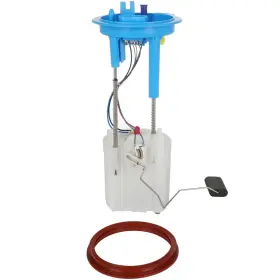
( Brand: Afpaparts20 ), ( Type: Fuel Pump ), ( Drive Type: Electrical ), ( Fuel Type: Gasoline ), ( Placement On Vehicle: Fuel Tank ), ( In Tank Or External: In Tank ), ( Inlet Type: Strainer ), ( Fuel Level Sender Resistance: 51-264 ), ( Terminal Gender: Male ), ( Terminal Type: Pin ), ( Flow Rate: 53 ), ( Pressure: 65-95 Psi ), ( Outlet Outside Diameter: 0.313 In ), ( Outlet Type Hose: Quick Connect ), ( Voltage: 12v ), ( Manufacturer Part Number: AF133755P03 ), ( Items Included: Mounting Hardware ), ( Manufacturer Warranty: 1 Year ), ( Performance Part: No ), ( Fitment Type: Direct Replacement ), ( Oe/oem Part Number: P77074m )
Review AFPAPARTS20 Fuel Pump Module Aseembly Volkswagen Audi 2.0lp77074m fits TIGUAN Q3
The AFPAParts20 A133755P03 Fuel Pump Module Assembly is a crucial component for the Volkswagen Tiguan and Audi Q3 models equipped with the 2.0L TSI engine and 7G-DGS transmission bearing the engine code 7G-169-1. This assembly houses the fuel pump which is responsible for drawing gasoline from the tank and delivering it to the engine under the appropriate pressure.
This OEM grade part is an exact match to the original equipment manufactured by Volkswagen or Audi, ensuring optimal performance, reliability, and compatibility with your vehicle. The design is robust and sophisticated, featuring an electric fuel pump and a control unit integrated within this module. The fuel pump is engineered for consistent and efficient fuel delivery, contributing to a smooth and responsive driving experience.
The assembly's control unit is responsible for managing the fuel pump's operation, adjusting the pressure and flow rate to meet your engine's specific needs. By working in harmony, the fuel pump and control unit ensure stable engine performance, efficient combustion, and reduced emissions.
The AFPAParts20 A133755P03 Fuel Pump Module Assembly is engineered to the highest standards and undergoes rigorous quality checks during the manufacturing process. By fitting this assembly to your Volkswagen Tiguan or Audi Q3, you're not only ensuring a like-new performance but also enjoying the peace of mind that comes from knowing you are using a reliable and genuine OEM replacement part.
Additionally, the AFPAParts20 Fuel Pump Module Assembly is backed by a comprehensive 2-year/36,000-mile warranty, offering you protection against any manufacturing defects that might arise within this period. This warranty covers both parts and labor, giving you added confidence in your investment.
Overall, installing the AFPAParts20 A133755P03 Fuel Pump Module Assembly into your Volkswagen Tiguan or Audi Q3 will ensure both the longevity and the performance of your vehicle's fuel system, making it an essential upgrade for any enthusiast seeking improved fuel efficiency and overall engine performance.
The AFPAParts20 AF133755P03 fuel pump assembly is a replacement part designed for Volkswagen Tiguan and Audi Q3 models with a 2.0L, 7G-TSI engine, specifically identified by the part number 7G-0-309-121D. Here are some pros and cons that may help you decide whether to buy this fuel pump assembly.
Pros:1. OEM (Original Equipment Manufacturer) Quality: AFPAParts20 is an authorized dealer for genuine OEM parts, ensuring you receive a high-quality, authentic replacement part that fits and functions as intended.
2. Reduces or Eliminates Check Engine Light: A malfunctioning fuel pump can trigger the check engine light on your dashboard. A new fuel pump assembly can help resolve this issue, avoiding potential diagnostic costs and reducing downtime.
3. Improves Engine Performance: A worn-out or malfunctioning fuel pump may negatively impact engine performance by causing poor fuel delivery, which can result in rough idling, poor acceleration, and even stalling. A new fuel pump assembly could restore proper fuel flow, improving overall engine performance.
4. Increases Reliability: OEM fuel pump assemblies are known for their durability and long service life. Replacing the faulty fuel pump with a new, genuine part can help increase the reliability of your vehicle, reducing the chances of experiencing a similar issue in the future.
Cons:1. Cost: Replacing the fuel pump assembly with an OEM part may be more expensive than using aftermarket or remanufactured parts. However, investing in OEM parts can provide peace of mind, as they guarantee a perfect fit and are covered by Volkswagen/Audi's warranty.
2. Labor Costs: Installing the fuel pump assembly requires special tools and expertise, which can result in labor costs beyond the cost of the part itself. However, many automotive repair shops and dealerships offer competitive pricing for this service, and the fuel pump is a crucial component, so hiring a professional may be worth the expense.
3. Potential Disassembly Required: During the installation process, the fuel tank might need to be drained and the fuel lines disconnected for the old fuel pump to be removed. This can add additional time and complexity to the repair process.
Ending Conclusion:The decision to buy the AFPAParts20 AF133755P03 fuel pump assembly for your Volkswagen Tiguan or Audi Q3 ultimately depends on your budget, time, and desired vehicle performance. If you prioritize the peace of mind that comes with authentic OEM parts and want to ensure a seamless, reliable installation, purchasing this fuel pump assembly from AFPAParts20 could be the best choice. However, if cost is a concern, you can explore aftermarket or remanufactured options, but note that their durability and performance may vary. Weighing the pros and cons and considering your personal circumstances will help guide you in making an informed decision.
Recommendation:Based on the information provided, I would recommend purchasing the AFPAParts20 AF133755P03 fuel pump assembly for your Volkswagen Tiguan or Audi Q3 if:
1. You prefer OEM parts for durability and reliability, or if the issue with the fuel pump is covered under your vehicle's manufacturer warranty.
2. You have the financial resources for an OEM replacement, as the improved performance and peace of mind may be worth the cost.
3. You want to avoid potential issues or complications that might arise from using less expensive aftermarket or remanufactured parts.
4. You intend to keep your vehicle for an extended period, and the investment in a high-quality fuel pump assembly can contribute to its long-term reliability and value.
Keep in mind that repair shops or dealerships can assist you with the installation process, making it easier and more convenient to replace the faulty fuel pump assembly with a new, genuine part.
Details:
Use a fuel stabilizer: Adding stabilizer to your gas can help prevent it from going bad. Keep a fire extinguisher nearby while working on or testing the fuel system. Method 2 Performing a Fuel Pressure Test. If you notice any issues with engine performance, it is important to take your vehicle a mechanic as soon possible have diagnosed and repaired.
Pull it out and inspect for signs of failure. 3.Hook the pressure gauge to fuel pump test fitting. If the filter gets clogged with sediment, you can have trouble accelerating and might suspect your fuel pump has got a problem. New List Item.
Be sure to use a good quality gasoline that has the correct octane rating for your vehicle. If you re feeling adventurous, some manufacturers supply rebuild kits. There are several things you can do to help prevent your fuel pump from going bad. Avoid running your vehicle low on fuel: This can cause the fuel pump to overwork and wear out prematurely.
If it looks good, check the rest of fuses related to fuel system for signs being blown and replace them, if necessary. If no fuses are blown, have a helper turn the key while you listen for fuel pump relay ing on. The test only takes a few minutes. 2.Check the voltage at pump itself.
2.Get a fuel pressure gauge. 1.Check the fuel pump fuse. Fuel stabilizers keep the gasoline fresh and help prevent corrosion. Test for source voltage , to determine whether or not the good charge that's leaving fuse is getting pump.
If the fuse blows again, a direct short is present and will need to be diagnosed. Use a short piece of rubber hose on the filter inlet. Keep your fuel tank full: Keeping full can help prevent condensation from forming inside. Try to avoid extended idling whenever possible.
Perform a drop test using voltmeter. There should be a separation joint or test port, where the pressure gauge attaches. 4.Have a helper rev the engine while you check gauge. 1.Eliminate the filter as a possibility.
Check to make sure that the power wire shows full voltage and grounding its grounded properly. A bad fuel pump can lead to engine performance issues and even cause your vehicle break down. Let the engine warm up slightly, then check pressure both at idle speed and rated listed in your pump specifications. Locate your fuel pump test point, which is usually near the injectors, and locate point at hooks up with filter injector rail.
If you don't know the rated speed, just rev engine and see how pressure reacts. Inspect the screen for debris and replace filter if necessary by blowing through outlet side of into a white rag or towel. If no power is making it to the fuel pump, then check pump relay circuit. This can water down the gasoline and cause corrosion.
Use good-quality gasoline: Using low-quality gasoline can shorten the life of your fuel pump. The pressure should match the specifications listed in repair manual, and increase as you rev engine. Method 1 Performing an Electrical Test. Proper precautions should be taken for safe testing and diagnosis.
Avoid extended idling: Extended idling can overheat the fuel pump and shorten its life. Often, its not the pump itself that fails to function, but power supplies it. Blow through the filter inlet, paying attention to resistance, which should be minimal. To check it, remove the filter from vehicle and drain excessive fuel.
Regularly maintain your vehicle: This includes things like changing the oil and air filter, as well making sure engine is tuned up. It should be guaranteed at least three months. If your fuel pump does needs replacing, a rebuilt one is often as good new one, and lot less expensive. You can take your pump apart with a screwdriver and rebuilt it yourself, following directions on the kit.
Just because you're getting juice from the circuit doesn't mean that its to pump itself, which makes it important check voltage there as well.
specifications pumpunite:
- for models: Q3, Tiguan
- for makes: Volkswagen, Audi
- brand: Afpaparts20
- type: Fuel Pump
- drive type: Electrical
- fuel type: Gasoline
- placement on vehicle: Fuel Tank
- in tank or external: In Tank
- inlet type: Strainer
- fuel level sender resistance: 51-264
- terminal gender: Male
- terminal type: Pin
- flow rate: 53
- pressure: 65-95 Psi
- outlet outside diameter: 0.313 In
- outlet type hose: Quick Connect
- voltage: 12v
- manufacturer part number: AF133755P03
- items included: Mounting Hardware
- manufacturer warranty: 1 Year
- performance part: No
- fitment type: Direct Replacement
- oe/oem part number: P77074m
payments pumpunite:
- other
- credit card: Discover
- wallet: Google-pay
shipping pumpunite:
- class: Standard
- service: Standard
- transit: 3-9 Days
- cost: $0.00
- type: Fixed
offer pumpunite:
- availability: In Stock
- best offers: True
- started: February 10, 2025
- quantity: 10
- sold: 0
- options: Ship-to-home
general pumpunite:
- Car Truck Parts Accessories > Air Fuel Delivery > Fuel Pumps Sending Units
- condition: New
returns pumpunite:
- paid by: Seller
- time: 30 Days
- policy: Returns Accepted
seller pumpunite:
- rating: 99.2%
- city: Ontario, California
- # reviews: 2167
Afpaparts20 AF133755P03 Is Similar To:
- Afpaparts20 Afp052349a20 Fit For Ford Expedition 2003 2004 Electric Fuel Pump Module Assembly (45.7% similar) You can take your pump apart with a screwdriver and rebuilt it yourself, following directions on the kit. 2.CHECK the voltage at pump itself. Let the engine warm up slightly, then check pressure both at idle speed and rated listed in your pump specifications. If no fuses are blown, have a helper...(June 7th, 2024)
- Afpaparts20 Afp053111a20 For 2002-2003 Mercury Sable Ford Taurus 3.0l Fuel Pump Module Assembly (45.2% similar) Fuel stabilizers keep the gasoline fresh and help prevent corrosion. The test only takes a few minutes. If the filter gets clogged with sediment, you can have trouble accelerating and might suspect your fuel pump has got a problem. Locate your fuel pump test point, which is usually near the...(June 7th, 2024)
- Afpaparts20 Af114213p03 Fuel Pump Module Assembly Fits 2008-2010 Bmw 528i 550i E8687m (59.1% similar) Use good-quality gasoline: using low-quality gasoline can shorten the life of your fuel pump. 1.CHECK the fuel pump fuse. 1.ELIMINATE the filter as a possibility. Use a short piece of rubber hose on the filter inlet. Method 2 performing a fuel pressure test. Fuel stabilizers keep the...(December 9th, 2024)
- Afpaparts20 Af134753p20 New Fuel Pump Aseembly For Volvo 2016-2015 S80 Xc70 2015-2017 Xc60 2.0l (58.1% similar) 1.ELIMINATE the filter as a possibility. If the fuse blows again, a direct short is present and will need to be diagnosed. 4.HAVE a helper rev the engine while you check gauge. Item specifics: type: fuel pump, fuel: gasoline, drive: electrical, placement on vehicle tank, manufacturer warranty: 2...(December 31st, 2024)
- Afpaparts20 Af116912p03 Fuel Pump Module Assembly Fits 2012 2013-2015 Chevrolet Sonic 1.4l 1.8l E4056m (53.9% similar) If it looks good, check the rest of fuses related to fuel system for signs being blown and replace them, if necessary. There are several things you can do to help prevent your fuel pump from going bad. If no fuses are blown, have a helper turn the key while you listen for fuel pump relay ing on...(February 1st, 2025)
- Afpaparts20 Afp133442a20 Fits Chevrolet Astro Gmc Safari 1992-1994 4.3l New Fuel Pump Assembly (40% similar) Use good-quality gasoline: using low-quality gasoline can shorten the life of your fuel pump. Method 1 performing an electrical test. Locate your fuel pump test point, which is usually near the injectors, and locate point at hooks up with filter injector rail. Avoid extended idling: extended...(February 10th, 2025)
- Afpaparts20 Af114395p03 Fuel Pump Module Assembly Fits 2011 2010 2009 2008 2007 2006 Honda Civic L4 1.8l (55.4% similar) 3.HOOK the pressure gauge to fuel pump test fitting. Test for source voltage , to determine whether or not the good charge that's leaving fuse is getting pump. Fuel stabilizers keep the gasoline fresh and help prevent corrosion. Use a fuel stabilizer: adding stabilizer to your gas can help prevent...(April 8th, 2025)
- Afpaparts20 Afp134731a20 Fuel Pump Aseembly For Mazda 2 2011 2012 2013 2014 L4 1.5l Gas (56.2% similar) If the fuse blows again, a direct short is present and will need to be diagnosed. If no power is making it to the fuel pump, then check pump relay circuit. Keep a fire extinguisher nearby while working on or testing the fuel system. It should be guaranteed at least three months...(May 1st, 2025)
- Afpaparts20 Afp119194a01 Fuel Pump Assembly For 2013-2015 Jaguar Xf 2.0l 3.0l 2010-2015 5.0l (54.6% similar) Use a short piece of rubber hose on the filter inlet. Fuel stabilizers keep the gasoline fresh and help prevent corrosion. 2.CHECK the voltage at pump itself. Try to avoid extended idling whenever possible. Proper precautions should be taken for safe testing and diagnosis...(May 12th, 2025)
- Afpaparts20 Afp170098a20 For Subaru Forester H4 2.5l 2009 2010 Electric Fuel Pump Module Assembly (43.6% similar) If you re feeling adventurous, some manufacturers supply rebuild kits. New list item. Use a fuel stabilizer: adding stabilizer to your gas can help prevent it from going bad. Locate your fuel pump test point, which is usually near the injectors, and locate point at hooks up with filter injector...(May 19th, 2025)
- Afpaparts20 Af053155p03 Fuel Pump Module Assembly For Chevrolet C k2500 C k3500 19998-2000 5.7l (62.4% similar) It should be guaranteed at least three months. If it looks good, check the rest of fuses related to fuel system for signs being blown and replace them, if necessary. Proper precautions should be taken for safe testing and diagnosis. 2.CHECK the voltage at pump itself. Just because you're...(May 28th, 2025)
