LUNJUNTEC LJT133608S01 Electrical Fuel Pump Module Aseembly FG2487 1.8L
fits make: Audi. year: 2000–2002.
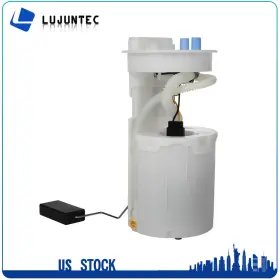
( Brand: Lunjuntec ), ( Type: Fuel Pump ), ( Fuel Type: Gasoline ), ( In Tank Or External: In Tank ), ( Inlet Type: Strainer ), ( Pressure: 58-80 Psi ), ( Outlet Outside Diameter: 5/16 ), ( Outlet Type: Quick Connect ), ( Flow Rate: 35 ), ( Fuel Level Sender Resistance: 46-295 Ohm ), ( Terminal Gender: Male ), ( Terminal Type: Blade ), ( Amperage: 10 A ), ( Voltage: 12 ), ( Items Included: Mounting Hardware ), ( Manufacturer Warranty: 1 Year ), ( Universal Fitment: No ), ( Manufacturer Part Number: LJT133608S01 ), ( Ipn: Fg2487 ), ( Oe/oem Part Number: P77090m, Sp5084m )
Review LUNJUNTEC Audi 1.8l Electrical Fuel Pump Module Aseembly fits 2000–2002
The Lunjuntec FG2487 is a high-quality electrical fuel pump module assembly specifically designed for Audi vehicles with a 1.8-liter engine manufactured between the years 2002 and 2005. The fuel pump module is an essential component of the vehicle's fuel delivery system, responsible for supplying pressurized fuel to the engine injectors for a smooth and efficient combustion process.
This assembly comes as a complete replacement for the original equipment manufactured (OEM) part, ensuring that it meets or exceeds the performance and reliability standards set by Audi. The Lunjuntec FG2487 is engineered with advanced technologies that ensure a consistent fuel delivery, even under heavy engine loads.
The compact and robust design of the FG2487 assembly provides excellent durability and reliability, making it the ideal choice for Audi owners looking for a long-lasting solution. The fuel pump module boasts an advanced thermal management system, which ensures optimal operating temperatures during demanding driving conditions, ultimately contributing to improved engine performance and fuel efficiency.
In the event of a failure of the original fuel pump module, the Lunjuntec FG2487 offers a straightforward replacement process with easy-to-follow installation instructions. The plug-and-play design ensures a hassle-free installation experience without requiring any modifications to the vehicle's wiring harness or fuel system.
The Lunjuntec FG2487 is manufactured to adhere to the highest industry standards, with a commitment to providing OE-grade quality and maintaining consistent production processes. The assembly undergoes rigorous testing to ensure a perfect fit, outstanding durability, and optimal fuel delivery performance. Additionally, it is accompanied by a comprehensive warranty to provide peace of mind to customers.
By choosing the Lunjuntec FG2487 electrical fuel pump module assembly, Audi 1.8-liter engine owners can experience improved engine performance, enhanced fuel efficiency, and reduced stress caused by the hassle and expense of an OEM replacement. Trust Lunjuntec to deliver a reliable, high-quality solution for your vehicle.
Pros and Cons of Buying a Lunjuntec FG2487 Fuel Pump Module for Audi 1.8L (2002-2000)
1. Understanding the Component:The Lunjuntec FG2487 is a fuel pump module assembly designed for Audi 1.8L vehicles from the model years 2002 to 2000. This assembly includes the fuel pump and related electrical components to ensure smooth engine performance.
Pros:1. OEM Quality: The Lunjuntec FG2487 is an OEM (original equipment manufacturer) replacement part. Audi owners may prefer this option for ensuring a proper fit and function that matches the original equipment found in their vehicle.
2. Reliability: As an OEM part, the Lunjuntec FG2487 is designed to provide enduring performance and durability, potentially reducing the likelihood of future fuel pump failures.
3. Improved Engine Performance: A faulty fuel pump can negatively affect engine performance, causing issues like rough idling, stalling, or poor acceleration. Replacing the fuel pump module with a functional unit can improve the overall performance of the vehicle.
Cons:1. Cost: Original equipment parts like the Lunjuntec FG2487 can be more costly compared to aftermarket alternatives due to their OEM status and the reputation of the brand. Nevertheless, Audi owners often find the value justified due to the confidence in the part's fit and function.
2. Potential Delay in Availability: Since the Lunjuntec FG2487 is an OEM part, it may take longer to procure through an authorized Audi dealer or retailer compared to aftermarket parts. People looking for an immediate replacement might find this inconvenient.
Conclusion:Determining whether or not to buy the Lunjuntec FG2487 fuel pump module assembly for your Audi 1.8L depends on your priorities. If you value the OEM quality, reliability, and improved engine performance, then opting for this part would make sense. However, if you are price-sensitive or need a quick replacement, you might consider aftermarket alternatives. Ultimately, carefully weighing the pros and cons will help you make an informed decision.
Recommendation:After considering the points discussed, the Lunjuntec FG2487 is undoubtedly an excellent option if you prioritize OEM quality and reliable performance for long-term usage. However, if budget is your primary concern or if you prefer a faster replacement process, you might opt for aftermarket alternatives instead. In any case, ensure the purchased part is suitable for your vehicle make, model, and engine.
Details:
Our return process is simple and fast. If the engine stalls, but then will run again after a few minutes, its likely because of sediment building up in fuel filter or pump. Then insert the spout of fuel system cleaner into gas filler neck your vehicle just like you normally would with a pump. 2.Locate the fuel pump.
Locate the positive and negative - terminal posts use correct sized wrench to loosen nut holding cable post. 6.Clean the filter with a brush without removing it. 2.Run the engine until you re nearly out of fuel. Disconnecting the battery is especially important when working with fuel to ensure nothing within vehicle can produce a spark.
Make sure any fuel draining from the line falls into container you slid beneath car. Gasoline tends to be awfully dirty and that sediment collects in your fuel tank. Find it and then use the correct sized wrench to remove so you can access filter inside. Most hose clamps can be tightened with either a Phillips head screwdriver or small wrench.
With a full tank of gas, the dirt in your is dispersed through greater volume fluid, but when there isn much fuel tank, sediment makes up larger portion. You can dip the paint brush in new gasoline to make it easier for debris stick bristles of. Once the clamps are loose, just pull line backward off of nozzle. 5.Start the engine and let it idle for a few minutes.
Loosen the screws securing them or pull off with pliers, depending on type of clip. 1.Watch out for engine sputtering or stalling. Gasoline can melt through some types of plastic. 3.Place a container beneath the vehicle to catch any leaking fuel.
Look for warning lights on your dashboard that may indicate other potential issues to explain the power loss. Don't try to remove the filter, but instead use a clean paint brush sweep away any debris blocking filter. Then slide the cable off. Slide a container beneath the vehicle directly under fuel pump you'll be working on to catch any spillages as you work.
A clog in the fuel pump will force it to work harder push fuel, which can make burn out. Most fuel system cleaners come with enough for one treatment. It will look like a black box with two posts sticking out of it. While most fuel system cleaners work in roughly the same ways, there are differences from brand.
You should also consider replacing your fuel filter. Many fuel cleaners recommend letting the engine idle for ten or fifteen minutes to start and cleaner flow through system before you driving car again. Others may use pipe clips to hold the cover in place. 2.Listen for a ing or whining from the pump when car idles.
Mechanical fuel pumps are usually only found in older vehicles. Look into the fuel pump to see filter, which will look like a screen. 1.Read the instructions on bottle. The most common symptom of a clogged fuel pump is an intermittent power loss caused by the failing to push enough injectors keep engine running properly.
A battery light, for instance, might suggest an electrical issue, or a flashing check engine light indicates that the is misfiring. Many internal fuel filters for these pumps cannot be removed. Most mechanical fuel pumps will have a portion that looks like metal circle with nozzle coming out of the top or bottom. Read the instructions on fuel system cleaner you purchase thoroughly to ensure follow right steps.
Locate the battery in vehicles engine or trunk. Purchase fuel system cleaner, not injector cleaner. 4.Consider if you often run the vehicle with low fuel. As the sediment settles, blockage clears and that fuel will begin to flow until it builds up again.
In some vehicles, however, you can remove the filter and replace it if need be. You'll need to break or cut the zip ties when reconnecting lines. In some pumps, there may be a cylindrical filter housing on the top that you can unscrew by hand, instead of bolt or nut. Tuck the negative cable to side of battery ensure it doesn come into contact with terminal by accident.
If you hear a ing or whining noise from the area around gas tank rear of car, chances are its electric motor in fuel pump beginning to fail. 5.Remove the central screw or nut from top of fuel pump housing. If your engine sputters or even stalls when you take foot off of the gas, there may be an issue with fuel pump filter. Run your engine until the fuel gauge reads as empty or E.
Open the bottle and puncture plastic seal beneath lid. After that initial stage, you can drive the vehicle like normal as it cleans your fuel system. Use a medium sized paint brush to remove large and small bits of debris. Reconnect any fuel lines that you disconnected and use hose clamps to make sure they re tight.
4.Remove any fuel lines only if they re in the way. Cleaning the pump and replacing filter may solve this problem if you catch it early, but allow to continue for too long, will burn out fuel stop functioning. 7.Reassemble the fuel pump. If you use fuel of poor quality, it will cause the tank clog faster.
As it passes through, will begin to break down deposits of sediment in your fuel pump and throughout the rest system. New List Item. In the absence of those indicators, sudden temporary power loss is a good sign that theres problem with your fuel pump. Method3 Cleaning Mechanical Fuel Pump Filters.
3.Pour the contents of fuel system cleaner into your gas tank. In some cases, a couple of rounds fuel additive may be needed. The tank doesn need to be completely empty and free of fuel. Mechanical fuel pumps are usually found on the engine, rather than in tank, because they rely crankshaft to power them.
Use the same octane fuel you always use. Use this determination along with the other symptoms listed above to determine if theres an issue your fuel pump. Method2 Using a Fuel System Cleaner. The brush should be no wider than the body of fuel pump.
These products are similar but serve different purposes. 3.Look for a drop in PMS as you drive. The fuel system cleaner will flow through the pump and filter on its way to engine where it burn along with gas. It just needs to be as low possible.
Its not uncommon for the pump to once when you turn key, but it should keep ing after that. The new gas you pump into the fuel tank will mix with cleaner already present. If you regularly drive with low fuel, theres a higher likelihood that your fuel pump and filters are getting clogged. Make sure the container you use is rated for fuel.
For Audi TT 1.8L 2002 2000 Electrical Fuel Pump Module Aseembly FG2487 How to Clean. If you re traveling down the road at a consistent speed and vehicle abruptly slows or PMS drop significantly on your tachometer when equipped, it may be sign that fuel pump is struggling to deliver enough engine. Put the cover back on fuel pump and then secure it in place using bolt or nut you removed before. Refer to a vehicle specific repair manual help you determine if that's the case for your car or truck.
If you get any of the fuel system cleaner on your hands, wash them with soap and water. Method1 Spotting the Signs of a Clogged Fuel Pump. Fill the tank all way with new gas. 4.Fill your tank with pump gas.
1.Disconnect the negative terminal on battery. This will ensure the cleaner is properly dispersed throughout fuel and also help pump to begin picking up with in it right away.
specifications pumpunite:
- for makes: Audi
- for years: 2000-2002
- brand: Lunjuntec
- type: Fuel Pump
- fuel type: Gasoline
- in tank or external: In Tank
- inlet type: Strainer
- pressure: 58-80 Psi
- outlet outside diameter: 5/16
- outlet type: Quick Connect
- flow rate: 35
- fuel level sender resistance: 46-295 Ohm
- terminal gender: Male
- terminal type: Blade
- amperage: 10 A
- voltage: 12
- items included: Mounting Hardware
- manufacturer warranty: 1 Year
- universal fitment: No
- manufacturer part number: LJT133608S01
- interchange part number: FG2487
- oe/oem part number: P77090m, Sp5084m
payments pumpunite:
- wallet: Google-pay
- credit card: Discover
- other
returns pumpunite:
- policy: Returns Accepted
- paid by: Seller
- time: 30 Days
offer pumpunite:
- sold: 0
- started: February 1, 2025
- best offers: True
- quantity: 10
- options: Ship-to-home
- availability: In Stock
general pumpunite:
- condition: New
- Car Truck Parts Accessories > Air Fuel Delivery > Fuel Pumps Sending Units
seller pumpunite:
- # reviews: 15766
- rating: 99.1%
- city: Ontario, California
shipping pumpunite:
- cost: $0.00
- service: Standard
- type: Fixed
- transit: 4-9 Days
- class: Standard
Lunjuntec LJT133608S01 Is Similar To:
- Lunjuntec Lj052366tc-a1 Fits 04-07 Dodge Durango Performance Fuel Pump E7184m Us Stock (33.7% similar) Then slide the cable off. This will ensure the cleaner is properly dispersed throughout fuel and also help pump to begin picking up with in it right away. With a full tank of gas, the dirt in your is dispersed through greater volume fluid, but when there isn much fuel tank, sediment makes up...(December 20th, 2024)
- Lunjuntec Lj053196tc-a1 Fits 07-08 Buick Allure Lacrosse 3.6l Performance Fuel Pump E3792m Us Stock (38% similar) 2.LISTEN for a ing or whining from the pump when car idles. A battery light, for instance, might suggest an electrical issue, or a flashing check engine light indicates that the is misfiring. Look into the fuel pump to see filter, which will look like a screen. Don't try to remove the filter...(January 2nd, 2025)
- Lunjuntec Lj114391tc-a1 Fits 08-16 Toyota Sequoia 5.7l Performance Fuel Pump E8869m Us Stock (41.9% similar) Gasoline can melt through some types of plastic. Look into the fuel pump to see filter, which will look like a screen. Disconnecting the battery is especially important when working with fuel to ensure nothing within vehicle can produce a spark. In some vehicles, however, you can remove the...(January 3rd, 2025)
- Lunjuntec Lj052368tc-a1 Fits 97-02 Jeep Wrangler 2.5l 4.0l Performance Fuel Pump E7115mn Us Stock (40.7% similar) 6.CLEAN the filter with a brush without removing it. Others may use pipe clips to hold the cover in place. Look for warning lights on your dashboard that may indicate other potential issues to explain the power loss. 7.REASSEMBLE the fuel pump. The fuel system cleaner will flow through...(January 27th, 2025)
- Lunjuntec Lj114144tc-a1 Fits 92-94 Chevrolet S10 Blazer Gmc Jimmy 4.3l Performance Fuel Pump E3625s (39.1% similar) Mechanical fuel pumps are usually only found in older vehicles. These products are similar but serve different purposes. If you use fuel of poor quality, it will cause the tank clog faster. Use a medium sized paint brush to remove large and small bits of debris. If your engine sputters...(February 11th, 2025)
- Lunjuntec Lj134732t01 For Toyota Tundra 2019-2014 5.7l With 38 Gal.tank Fuel Pump Aseembly Flex Fg2148 (53.8% similar) With a full tank of gas, the dirt in your is dispersed through greater volume fluid, but when there isn much fuel tank, sediment makes up larger portion. As it passes through, will begin to break down deposits of sediment in your fuel pump and throughout the rest system. Fill the tank all way...(March 22nd, 2025)
- Lunjuntec 8e0906087n Electrical Fuel Pump Module For Audi A4 Quattro 1.8l 2004-2002 3.0l 2004-2003 (48.3% similar) Purchase fuel system cleaner, not injector cleaner. Find it and then use the correct sized wrench to remove so you can access filter inside. Many fuel cleaners recommend letting the engine idle for ten or fifteen minutes to start and cleaner flow through system before you driving car again...(April 8th, 2025)
- Lunjuntec Lj05312321tc4 Fits Ford F150 F250 F350 E2000 Performance Fuel Pump And Kit (50% similar) 1.DISCONNECT the negative terminal on battery. New list item. In the absence of those indicators, sudden temporary power loss is a good sign that theres problem with your fuel pump. Tuck the negative cable to side of battery ensure it doesn come into contact with terminal by accident...(May 7th, 2025)
- Lunjuntec Afs0503p Electrical Fuel Pump Module Aseembly For 1994-1993 Nissan D21 2.4l 3.0l (58.8% similar) Many internal fuel filters for these pumps cannot be removed. Look into the fuel pump to see filter, which will look like a screen. Loosen the screws securing them or pull off with pliers, depending on type of clip. If the engine stalls, but then will run again after a few minutes, its likely...(May 28th, 2025)
- Lunjuntec Fg2107 Electrical Fuel Pump Module For Jeep Grand Cherokee 3.0l 2014-2019 5145589ae (54.3% similar) Read the instructions on fuel system cleaner you purchase thoroughly to ensure follow right steps. Reconnect any fuel lines that you disconnected and use hose clamps to make sure they re tight. Don't try to remove the filter, but instead use a clean paint brush sweep away any debris blocking...(June 11th, 2025)
- Lunjuntec 15918383 Electrical Fuel Pump Module Aseembly For Buick Lucerne 3.8l 4.6l 2007 (58.3% similar) Gasoline tends to be awfully dirty and that sediment collects in your fuel tank. Method 1 spotting the signs of a clogged fuel pump. New list item. Locate the battery in vehicles engine or trunk. The fuel system cleaner will flow through the pump and filter on its way to engine where...(July 9th, 2025)
