AUDI 7L8919679J Tdi Right Tank Fuel Pump 7L6919088F 3.0L
fits model: Q7. make: Audi. year: 2008–2010.
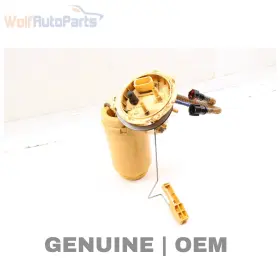
( Part Type: Fuel Tank Pump ), ( Manufacturer Warranty: 30 Day ), ( Ipn: 7l6919088f ), ( Tested: Tested, Cleaned And Inspected ), ( Manufacturer Part Number: 7L8919679J ), ( Placement On Vehicle: Right ), ( Fitment Type: Direct Replacement )
Review AUDI Tdi 3.0l Right In tank Fuel Pump Assembly fits Q7 2008–2010
The Audi 7L8919679J is a genuine OEM (Original Equipment Manufacturer) in-tank fuel pump designed specifically for Audi Q7 TDI models produced between the years 2008 and 2010. This fuel pump is an essential component of the vehicle's fuel system, responsible for drawing fuel from the tank and delivering it to the engine at the required pressure.
The pump itself is a high-performance electric unit, featuring a robust construction to ensure reliable operation. It is designed to meet the unique fuel delivery requirements of the 3.0L TDI engine, ensuring optimal engine performance and fuel efficiency.
The pump housing is made of durable materials, including a corrosion-resistant coating to protect against the effects of prolonged exposure to fuel. The impeller, or the rotor that creates the suction to draw fuel from the tank, is designed for long-lasting performance and is precision-engineered for a snug fit within the housing.
The Audi 7L8919679J fuel pump also features a built-in electrical connector, making installation a straightforward process. The connector is designed with a waterproof seal to protect against moisture intrusion, ensuring the pump continues to function even in harsh environmental conditions.
In the event of a failure, the Audi 7L8919679J fuel pump can be easily replaced, with no need to remove the fuel tank. This saves time and labor costs, making it a cost-effective solution for maintaining the fuel system in your Audi Q7 TDI.
In summary, the Audi 7L8919679J in-tank fuel pump is a high-quality, durable component designed specifically for the 2008-2010 Audi Q7 TDI models. Its robust construction, precision engineering, and ease of installation make it an ideal choice for those seeking to maintain the performance and efficiency of their vehicle's fuel system.
Pros and Cons of Buying an Audi 7L89119679J 2008-2010 Q7 TDI 3.0L In-Tank Fuel Pump
1. Pros:a. Improved Fuel Economy: A new in-tank fuel pump can help improve fuel economy by ensuring an efficient fuel flow to the engine.
b. Enhanced Engine Performance: A faulty fuel pump can lead to poor engine performance. Replacing it with a new one can restore the engine's power and efficiency.
c. Smoother Idle and Start-Up: A new fuel pump can result in a smoother idle and easier start-up, as it delivers a consistent fuel supply to the engine.
d. Prevents Fuel Leaks: A worn-out fuel pump can cause fuel leaks, which can be a safety hazard. Replacing the faulty pump can prevent potential fuel leaks.
2. Cons:a. Cost: A new in-tank fuel pump for an Audi Q7 TDI can be quite expensive, especially if you opt for an OEM (original equipment manufacturer) part.
b. Labor Costs: The cost of labor to replace the fuel pump can be substantial, as it is a time-consuming process that involves removing the tank and accessing the pump.
c. Potential for Further Repairs: A fuel pump failure can be a sign of other underlying issues in the vehicle's fuel system. Replacing the pump may lead to the discovery of additional repairs needed.
3. Conclusion:While a new in-tank fuel pump for an Audi Q7 TDI can offer several benefits, including improved fuel economy, enhanced engine performance, smoother idle and start-up, and prevention of fuel leaks, the high cost of the part and labor can make it a significant investment. Additionally, the replacement process may uncover further repairs needed, adding to the overall expense.
4. Recommendation:Before deciding to buy a new in-tank fuel pump for your Audi Q7 TDI, it's essential to investigate the root cause of the fuel pump failure. A professional mechanic can help diagnose the issue and provide alternative solutions, such as repairing the pump or trying a lower-cost aftermarket part. Consider all the costs involved, including parts, labor, and potential additional repairs, before making a final decision. If the cost of a new fuel pump is prohibitive, you may want to explore financing options or consider selling the vehicle if the repairs exceed its value.
Details:
Remember LEFT means the Drivers side of vehicle and RIGHT Passengers in our listings. Part Fitment and Compatibility.
part #: 7l8919679j prices
- $87.98-$126.76
specifications pumpunite:
- for models: Q7
- for makes: Audi
- for years: 2008-2010
- part type: Fuel Tank Pump
- manufacturer warranty: 30 Day
- interchange part number: 7L6919088F
- tested: Tested, Cleaned And Inspected
- manufacturer part number: 7L8919679J
- placement on vehicle: Right
- fitment type: Direct Replacement
seller pumpunite:
- rating: 99.7%
- city: Waverly, Minnesota
- # reviews: 86934
offer pumpunite:
- quantity: 1
- options: Ship-to-home
- started: January 20, 2026
- availability: In Stock
- sold: 0
shipping pumpunite:
- service: USPS Ground Advantage, FedEx 2Day, FedEx Standard Overnight, USPS Priority Mail
- carrier: USPS, FedEx
- class: Standard, Expedited, One-day
- cost: $0.00
- transit: 3-8 Days
- type: Calculated
returns pumpunite:
- paid by: Buyer
- time: 30 Days
- policy: Returns Accepted
general pumpunite:
- Car Truck Parts Accessories > Air Fuel Delivery > Fuel Pumps Sending Units
- condition: Used
payments pumpunite:
- other
- wallet: Google-pay
- credit card: Diners-club
Audi 7L8919679J Is Similar To:
- Victor Reinz 92599zgwg For 2019-2024 Audi A7 Sportback Fuel Pump O-ring 2020 (28.4% similar) Provides performance and dependability. 12 month warranty oem fitment notes: vehicle: 2019 -2024 audi a7 sport back. Manufactured to meet OE specifications. Parts geek - for 2019 -2024 audi a7 sport back fuel pump o-ring victor rein 92599ZGWG 2020 2020 : review fitment notes to ensure proper fit...(June 3rd, 2024)
- Oem factory 1t0906093f Fuel Pump Control Unit For Vw Passat Jetta Golf Gti Audi A3 2.0t (20.1% similar) 1K0906093D, 1K090 093E, 1K0906093F, 1K0906093H, 1K0906093J. Other OE numbers. Shipping details. Please be patient. For audi a3 VW Etta golf GTI pasta 1.4 1.8 2.0T. And bad weather or peak season could make it longer. Other numbers. 1T0906093D, 1T0 906 093D...(June 3rd, 2024)
- Vne 13597zwwf For 2013-2015 Audi S4 Fuel Pump Driver Module 2014 3.0l V6 (25% similar) 12 month warranty fitment notes: vehicle: engine: 2013 -2015 audi S43.0L V6...(June 4th, 2024)
- Autoparts-yard Hpp0010 1x Electrical High Pressure Fuel Pump For Audi A4 A5 A6 Q5 Tt 2.0l L4 06j127025e (32% similar) Confirm whether the product picture is consistent with parts in your car. Disconnect the low pressure sensor connector. Audi a4 l4 2.0L 2009 -2016 gas, a5 quarto 2013 -2017 flex. Remove the sleeve from bore. Disconnect the fuel pressure regulator valve connector. High pressure fuel pump...(June 6th, 2024)
- Audi 80a919087 21-23 Q5 Quattro In Tank Fuel Pump Oem (56% similar) Domestic shipping: items will only be shipped to the address that comes through on order. It is important to remember items are used; there may be scuffs, scratches and other cosmetic marks that do not affect item function. Part finish and color .e...(June 13th, 2024)
- Audi 4m0919671c 2019-2023 Q8 Fuel Gauge Sensor Sending Unit (41.5% similar) Part fitment and compatibility. Remember left means the drivers side of vehicle and right passengers in our listings. Please here to view details 2019 -2023 audi q8 - fuel gauge sensor / sending unit 4M0919671C: condition notes this part comes as shown in the picture...(June 14th, 2024)
- Volkswagen Audi 06a 127 026 2014 2018 High Pressure Fuel Pump Unit P A Oem (43.2% similar) Condition is used. Shipped with USPS ground advantage. 2014 - 2018 Volkswagen audi high pressure fuel pump unit p: 06A 127 026 a oem...(June 14th, 2024)
- Vw Audi 06l127025n Oem High Pressure Fuel Pump Gti Mk7 audi A3 S3 Tt 2.0t 06l127025m (33.3% similar) Every item is described to best of our ability. Used part with normal wear cosmetic blemishes, has some surface rust as pictured. Normal hours are m-f, 9AM-4PM est...(June 15th, 2024)
- Audi 8k0919051ad 2013 2017 A4 A5 S4 S5 Genuine Fuel Tank Gas Pump Assembly Oem (51.3% similar) Pulled out from 2013 audi S5.THIS item is in perfect condition may have slight storage marks. Genuine oem part. The oem part number is 8K0919051. Items may show light scuffs, scratches or other imperfections as a result of this being used part...(June 15th, 2024)
- Darupsun 03c127026j High Pressure Pump Petrol 2503071 Fit Audi A1 A3 8p Golf V Vi 1.2 1.4 (23.6% similar) Part #: traipsing 03C127026J for sale...(June 16th, 2024)
- Audi 8k0201301c 13-17 8t A5 S5 Rs5 A4 Fuel Pump Sending Unit Assembly Oem 040224 (46.1% similar) Lot # 040224. Also, most part numbers must match in order to fit your vehicle. Mileage: 66,322. 2013 audi a4 2.0T sedan at quarto. Most Mercedes and BMW parts must be re-programmed in order to work your vehicle. Vain#: WAUBFAFL2DN039273...(June 17th, 2024)

5 offers $87.98–$126.76 USD
- New. Offer #1 priced at $87.98 + $0.00 delivery = $87.98* total. Audi Q7 2008 2009 2010 2011 2012 2013 2014 2015 Volkswagen Touareg 2007 2008 2009 2010 OE: .FREE SHIPPING
- New. Offer #2 priced at $96.89 + $0.00 delivery = $96.89* total. Features OE/OEM Part Number .FREE SHIPPING
- New. Offer #3 priced at $126.76 + $0.00 delivery = $126.76* total. New Fuel Injector GP Pencil Nozzle For 8N-7005 CAT Caterpillar Engine 3304 3306. Manufacturer Part Number: .FREE SHIPPING
- New. Offer #4 priced at $99.99 + $0.00 delivery = $99.99* total. Condition: New.FREE SHIPPING
- New. Offer #5 priced at $87.99 + $0.00 delivery = $87.99* total. OEM AUDI: SEAT : SKODA : VAG : VW : Reference No HOFFER : 75071011 MEAT & DORIA : 771011 WE PARTS : 320901601 WE PARTS : 320901601 Applicable models CAR MODEL YEARS ENGINE DISPLACEMENT Audi (import) Q7 (4LB) 3.0 TDI quattro 2010-2015 CJGC, CJMA 2967 150 SUV Audi (import) Q7 (4LB) 4.2 TDI quattro 2007-2009 BTR 4134 240 SUV Volkswagen (import) TOUAREG (7LA, 7L6, 7L7) 2.5 R5 TDI 2003-2010 BAC, BPE 2461 128 SUV Volkswagen (import) TOUAREG (7LA, 7L6, 7L7) 5.0 R50 TDI 2007-2010 CBWA 4921 257 SUV Volkswagen (import) TOUAREG (7LA, 7L6, 7L7) 5.0 V10 TDI 2002-2010 AYH,BKW,BLE,BWF 4921 230.FREE SHIPPING